24°C
24°C
Discover Lombok Culture Through Authentic Island Connections
If you want to truly understand Lombok, I need to walk you through a few key things first. I invite you to look beyond the turquoise waters and white-sand beaches of this incredible Indonesian island, which is part of the West Nusa Tenggara province, toward the human rhythm that defines its spirit.
The famous Gili Islands may be a boat ride away, but the soul of this region is found right here. In my 15 years of building a hospitality brand on Lombok island, I’ve seen the growing tension between tourism’s expansion and the critical need to preserve the authentic Sasak culture. It’s a delicate balance.
I’ve made it my life’s work to create a bridge between contemporary luxury and cultural stewardship, ensuring our presence honors the community that makes this place so special.
As the founder of The Lombok Lodge Hospitality®, I’ve learned that to truly understand the local culture is to experience how its community, craft, and kindness intertwine.
What You’ll Find:
- The living soul of Lombok’s Sasak heritage and communal philosophy.
- Tangible cultural traditions carved into craft and ceremony.
- The serene harmony between Islamic faith and daily island life.
- How traditional villages preserve time while welcoming change.
- The deep connection between nature, wellness, and the cultural concept of balance.
The Living Soul of Lombok’s Sasak Heritage

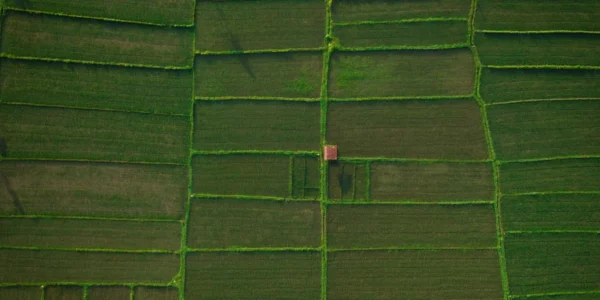
Experience authentic Balinese life at Lombok’s private villa estate with lush rice paddies.I’ve found that the relationship between the people of Lombok and their traditions is more complex and vibrant than most visitors realize. The island’s rich cultural heritage is not a relic but a living rhythm, and understanding it begins with the indigenous Sasak people.
The core of Sasak community life is a philosophy called gotong royong, which translates to mutual cooperation. I’ve seen this spirit in action time and again; it’s a collective effort for mutual benefit that fosters a profound sense of unity and shared responsibility.
A 2025 study on Sasak cultural resilience highlights how this tradition of mutual aid was immediately evident after the 2018 earthquake, as neighbors mobilized to clear debris, build shelters, and share resources, showcasing a remarkable level of community preparedness.
Sasak Origins and Community Life
The Sasak people, who have inhabited this island since at least the first millennium BC, are the majority ethnic group, and their communal philosophy shapes everything.
Their native tongue, the Sasak language, is linguistically closely related to the languages of Bali and Sumbawa, yet it holds its own distinct dialects across the island.
Gotong royong is more than just helping a neighbor; it’s a social safety net and a cultural pillar that strengthens social solidarity within the Sasak community. This allows them to mobilize resources and labor quickly and efficiently, especially in times of need, ensuring that recovery from hardship is inclusive and holistic.
Beliefs, Balance, and the Earth
Let me break down the spiritual landscape here, as it’s key to understanding the Sasak worldview. Daily life is a blend of Islam practiced by the majority of the Sasak people and deeply rooted local beliefs and nature worship.
This syncretism is visible everywhere, from the architecture of traditional homes designed to be resilient against earthquakes to the layout of villages and the timing of daily rituals that honor both faith and the earth.
Historically, there has also been influence from Hindu Balinese culture, particularly in the western part of the island, and you can still find small Hindu communities and beautiful Hindu temples there.
For Cultural Travellers
When you visit, I think it’s really important to distinguish between observing and intruding. For various ceremonies, respectful observation is key. A polite smile and a simple greeting go a long way.
Let me give you a concrete example: when attending a local event, ask your guide about appropriate moments for photography, and always be mindful of personal space, especially with elders.
Indonesians tend to appreciate small talk, so learning a few basic phrases in the local language can open doors. Remember to only use your right hand to hand objects or accept objects, as the left is considered impure. This simple gesture shows immense respect.
Traditions Carved in Craft and Ceremony
In my experience, one of the most powerful ways a culture stays alive is through its craftsmanship. Here in Lombok, cultural preservation isn’t about nostalgia; it’s a dynamic process you can see, touch, and hear. This is a core part of Lombok’s culture.
Weaving the Island’s Story
I find it fascinating how Sasak women weave the island’s story into textiles. The traditional Songket and ikat cloths are more than just souvenirs; they are expressions of a rich cultural heritage passed down through generations.
According to a study in the International Journal of Art and Design (2023), the motifs are dominated by local flora, fauna, and celestial patterns, with symbolism influenced by local culture, Malay heritage, and Islamic values.
This makes each piece a narrative of the island’s history. Women are the primary custodians of this tradition, and their role is crucial in sustaining both the local economy and the Sasak culture.
Music, Dance, and Celebration
The rhythm of Lombok can be heard in the powerful sound of Gendang Beleq, a form of traditional music featuring oversized drums. I’ve witnessed its energy firsthand at important ceremonies, from a wedding ceremony to a cultural festival.
A wedding party is often led by a troupe of Gendang Beleq players in vibrant costumes, creating an unforgettable spectacle of sound and movement that embodies the strength and spirit of the Sasak people. It’s an unmissable part of the unique culture here.
Ethical Souvenir Culture
What this means for you in practice is choosing where you shop consciously. I always recommend buying directly from artisan cooperatives in traditional villages like Sukarara.
When you do this, you’re not just acquiring a beautiful textile as a small token of your visit; you are directly supporting the women who keep this tradition alive and ensuring the economic benefits remain within the Sasak community, rather than haggling with local vendors in a way that devalues their craft.
Harmony Between Faith and Daily Life
I’ve learned that true luxury isn’t about material possessions; it’s about witnessing and feeling a sense of serenity. In Lombok, this serenity comes from the seamless integration of spirituality into the rhythm of daily life.
Mosques and Mountains
The spiritual landscape of Lombok is defined by the harmony between its religious sites and the sacred Mount Rinjani. The Sasak people hold a deep respect for the mountain, viewing it as a powerful natural entity, which coexists beautifully with their local Muslim faith.
This blend of reverence for nature and devotion creates a unique and peaceful cultural atmosphere across the island of Lombok. This spiritual respect extends to all religious sites, including the historic Hindu temples near the west coast, remnants of a time when Balinese Hindus had a strong presence.
For Mindful Visitors
A key part of daily life here is the adhan, or the call to prayer. I’ve found that understanding its rhythm can enhance your visit. When you hear it, it’s a moment for quiet respect.
What I also need to point out is that this isn’t an interruption to your day but an invitation to witness the island’s spiritual pulse. When visiting mosques or temples, modest dress is essential for entering religious sites. Good public behavior means not disturbing worshippers during their prayers.
Quiet Luxury and Reflection
This brings me to the philosophy we embrace at The Lombok Lodge: luxury is found in presence, not possession. When I see our wellness guests connect with this idea, it’s truly rewarding.
I believe that an awareness of the local customs its quiet rhythms and spiritual depth enriches the sense of peace and reflection they seek, turning a simple vacation into a more introspective journey amidst the island’s stunning natural beauty.
Villages that Preserve Time and Welcome Change
I’ve noticed that common advice about cultural travel often misses a key point: authenticity survives through adaptation, not isolation. The traditional villages of Lombok are not static museums but living communities where you can learn about a culture that is both preserving its past and navigating its future.
Sade and Ende Villages
When I take guests to villages like Sade and Ende in southern Lombok, I want to help them understand the difference between observing a staged show and witnessing real life.
These communities offer a window into traditional Sasak life, with unique architecture featuring bamboo and alang-alang grass roofs designed for seismic resilience.
The floors, remarkably, are made from a mixture of clay and buffalo dung, which creates a smooth, cool surface. As you walk through these rural areas, I encourage you to observe with respectful curiosity and engage through a local guide who can facilitate genuine interaction.
Women as Custodians
What I consider the key element in these traditional villages is the role of women. They are not just artisans; they are the custodians of Sasak culture.
Through their intricate weaving and daily practices, they sustain both their families’ economy and the cultural heritage of the entire Sasak people, passing down skills from mother to daughter.
Responsible Visitation
In my experience, realistic implementation of responsible tourism means partnering with locals for authentic connections. We curate our excursions to avoid staged performances. Instead, we facilitate respectful visits where you can learn directly from the villagers.
It’s about creating an exchange, not a transaction. This extends to environmental stewardship; many local environmental groups are working hard on waste management initiatives to keep Lombok clean, and as visitors, we should always dispose of waste properly.
Nature, Wellness, and the Cultural Concept of Balance
I’ve come across some really interesting research lately about wellness tourism, and it confirms what I’ve long observed here in Lombok. The Sasak concept of wellness isn’t a new trend; it’s a timeless philosophy rooted in harmony with the natural environment.
The Sasak Concept of Balance
The traditional Sasak approach to life is similar to the Balinese Tri Hita Karana, emphasizing harmony among people, nature, and the spiritual world. I believe this holistic view is the foundation of the profound sense of peace you can feel on this island, part of the Lesser Sunda Islands chain.
One of the most important ritual events tied to nature is the annual Bau Nyale festival. According to legend, the beautiful Princess Mandalika threw herself into the sea to prevent a war between rival princes, promising to return each year.
Today, thousands of Lombok people gather at the shore to catch the colorful sea worms that appear annually, believing them to be a reincarnation of the princess and a harbinger of a good harvest. This Nyale festival is a perfect example of the enduring indigenous culture.
Food as Ritual
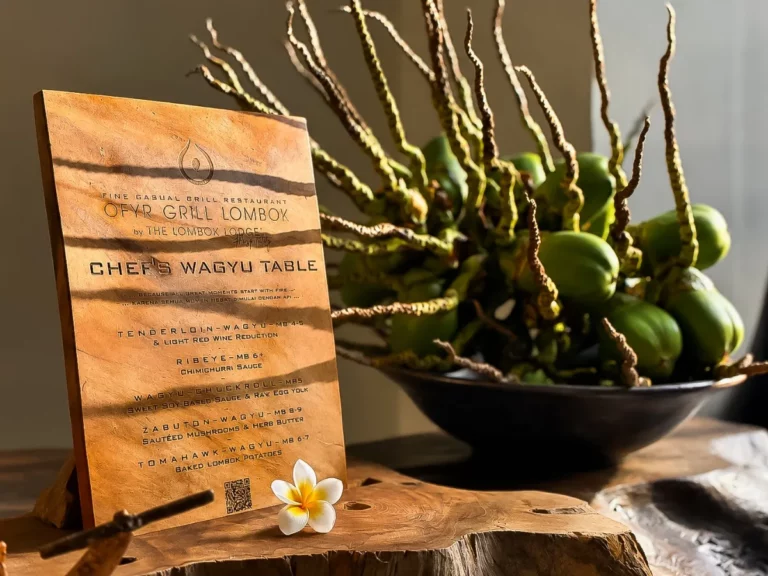
Let me tell you what this actually means in practice, especially in our culinary philosophy at The Lombok Lodge. We are inspired by traditional Sasak cooking, which is a ritual in itself.
It’s about using locally sourced ingredients, practicing slow preparation, and respecting the seasonality of produce. A study on Lombok’s ethno-cultural attractions found that local dishes like Ayam Taliwang and various types of satay are highly preferred by visitors, showcasing the appeal of this authentic culinary heritage.
For Wellness Seekers
If you actually want to use this insight, here’s what I recommend: embrace mindful travel actions. Greet the sunrise, practice a moment of gratitude before a meal, and make eco-conscious choices.
These small rituals connect you to the Sasak concept of balance and can transform your trip into a deeply restorative wellness experience.
Living Cultural Connection Through Family-Owned Hospitality
I think it’s really important to distinguish between a hotel that simply operates in a location and one that is truly part of it. When hospitality becomes an extension of heritage, travel transforms from a simple visit into a feeling of belonging to the Lombok culture.
Hospitality as a Cultural Act
I’ve always believed that hospitality in Lombok is a cultural act. The inherent kindness of the Lombok people inspires every part of our ethos at The Lombok Lodge. Every gesture is rooted in the concept of tulus, or sincerity. It’s not just about service; it’s about genuine care and making a heartfelt connection with you, our guest.
Community Partnerships
From my practical standpoint, sustaining cultural heritage requires more than just appreciation; it demands action. We prioritize community partnerships, from sourcing our ingredients from local farms in North Lombok to providing training and career opportunities for the Sasak people in our community.
I see our local team as collaborators and partners in our mission, not just as staff. They are the heart of the authentic experience we offer.
Continuing the Legacy
After 15 years, my personal reflection is that building a brand must be about honoring people before properties. This philosophy is the foundation of The Lombok Lodge. It’s a legacy of genuine luxury, which I define as genuine care for our guests, our team, and the vibrant Lombok culture that surrounds us.
Conclusion – Carrying Lombok’s Spirit Forward
I’ve noticed that experts in travel agree on one thing: the most memorable journeys are those that create a meaningful exchange. Lombok’s culture is a living, breathing continuum, not a static identity.
I encourage you to approach your travels here as an opportunity for connection, not consumption. Every smile you share and every ritual you respect contributes to the preservation of this island’s unique culture.
That, I believe, is Lombok’s true luxury. I invite you to discover how this philosophy of authentic connection shapes every experience at The Lombok Lodge Hospitality.
Frequently Asked Questions
What are some key local customs I should be aware of when I visit Lombok?
To show respect, always use only your right hand to hand objects, accept objects, or eat. When you greet people, especially elders, a polite smile and a slight nod are appreciated.
Also, modest dress is important, particularly when entering religious sites or visiting rural areas, and it’s polite to engage in a bit of small talk before getting to business.
What is the Sasak language and do I need to speak it?
The Sasak language is the native tongue of the indigenous Sasak people, with several dialects across the island.
While you don’t need to be fluent, learning a few basic greetings like “selamat pagi” (good morning) or “terima kasih” (thank you) is highly appreciated and shows respect for the local culture.
How does Islam blend with older traditions in Lombok culture?
The Sasak people practice a unique form of Islam that incorporates pre-existing animistic and indigenous beliefs.
This is most evident in their reverence for nature, especially Mount Rinjani, and in traditional ceremonies like the Bau Nyale festival, which blend Islamic prayers with older, local traditions. It creates a harmonious spiritual environment that is unique to the island.
Read More: Explore Sasak Traditions at Lombok’s Sade Traditional Village