24°C
24°C
Elevated Eco Travel Experiences for Turtle Conservation in Lombok
I’ve always wondered: what makes a luxury vacation truly memorable? Is it the amenities, or is it the connection to something greater than ourselves? When I look at Lombok Island, I see a destination standing at a crossroads between mass tourism and ecological stewardship. I’ve found that for the conscious traveler, the real luxury lies in the privilege of protecting endangered sea turtles in their natural habitat, rather than just observing them from a distance. Yet, distinguishing between a genuine turtle conservation project and a marketing gimmick is harder than it seems.
What You’ll Find:
- Why protecting adult females is more impactful than just releasing baby turtles
- The specific red flags that signal “fake” conservation projects
- How to participate in ethical release programs without harming wildlife
- The ecological differences between the Gili Islands and Lombok mainland
- Practical steps to ensure your luxury holiday leaves a positive legacy
Understanding Turtle Conservation in Lombok
I’ve come across some really interesting research lately about why this specific region is so vital. The north-west coast of Lombok and the Gili Islands serve as critical nesting habitats for sea turtles.
According to a study I reviewed in the Jurnal Multidisiplin Madani (2023), the ecosystem zonation of areas like Nipah Beach is essential because high community demand for land and economic growth are putting immense pressure on these sensitive habitats.
The ecological importance of Lombok’s nesting beaches
When I look at the data, I see that Lombok offers a unique convergence of currents and sandy shores that turtles have returned to for millennia. It is not just a holiday destination; it is a biological nursery.
Scientific data support is crucial for formulating action plans, yet as the Ministry of Marine Affairs and Fisheries (KKP) noted in Antara News (2023), detailed bioecological data on turtle populations and their survival rates often remains limited, making every protected beach even more valuable for sea turtle conservation.
Species overview of Green, Hawksbill, and Leatherback turtles
You have probably heard of the Green Turtle, but Lombok is also home to Hawksbill sea turtles, Olive Ridley, and occasionally the massive Leatherback. Hawksbill turtles are particularly vulnerable; global populations have dropped significantly.
Unlike the general descriptions you might find on standard volunteer sites, it is important to know that identifying turtle species helps us understand their specific threats Hawksbills, for instance, are critically threatened by the trade in their beautiful shells often sold in local markets or small local grocery shops as jewelry.
Threats facing Lombok’s turtles today
I’ve found that the threats are numerous and compounding. Beyond natural predators, sea turtles face climate change, coastal development, and illegal poaching. Artificial lighting is a massive issue; it can mislead up to 90% of baby turtles (hatchlings), drawing them away from the ocean and toward fatal hazards. Habitat destruction due to unregulated tourism infrastructure further reduces the nesting sites available for female turtles.
Why protecting adult females is more impactful than only releasing hatchlings
Here is a transformative insight I want you to remember: while releasing baby turtles is photogenic, protecting one adult female is scientifically more valuable. An adult female has already survived the “lost years” and can lay thousands of eggs over her lifetime.
Focusing solely on baby turtles without protecting the mothers is like trying to fill a bucket with a hole in the bottom. This is why ongoing conservation efforts must prioritize the safety of nesting mothers.
What Conscious Luxury Travelers Usually Miss About Turtle Conservation
I used to believe the popular notion that you had to “work” to help, but I’ve learned that for luxury travelers, the most effective role is often different.
Misconception: conservation equals volunteering
I see the problem of “voluntourism” affecting many well-meaning travelers. You might assume you need to join a volunteer program alongside fellow volunteers and other volunteers to contribute.
However, strictly regulated turtle conservation often requires trained professionals, not short-term labor. For a luxury guest, supporting high-end properties that fund a local team and protect nesting sites is often more impactful than digging nests yourself.
How tourism can unintentionally harm turtles
Nature lovers often unknowingly cause stress. Flashlights on the beach can scare off a nesting mother during the nesting period. Crowding around a sea turtle while snorkeling prevents it from surfacing to breathe.
Even well-intentioned acts, like picking up baby turtles to “help” them to the water, can interfere with their muscle imprinting process, which turtles need to return to that beach years later.
Ethical travel framework for high-end guests
If you actually want to use this ethical framework, here is what I recommend: maintain a “no-touch” policy, use red-light filters if you are on the beach at night, and choose accommodations that integrate marine conservation into their operational budget. Responsible tourism means observing majestic creatures without interfering with their daily life.
Lombok Turtle Haven: An Intimate Sanctuary Experience
As owners of a family-run hospitality group, specifically the Lombok Private Villa Estate, we have always believed that luxury and stewardship must go hand in hand. Our properties are located on the unspoiled shores of northwest Lombok, near Indonesia’s second highest volcano, Mount Rinjani, creating a dramatic backdrop for our turtle sanctuary.
Origins of Turtle Haven at the Private Villa Estate
Staying with us means participating in a unique environmental initiative. We established our turtle sanctuary not as a tourist attraction, but as a response to the needs of the marine life on our doorstep. The Lombok Private Villa Estate provides a buffer zone where turtles can nest without the interference of crowded public beaches.
Witnessing the nesting ritual beneath moonlit skies
There is nothing quite like the silence of a Thursday night (or any quiet evening) when a massive female emerges from the surf. Adult females return to the exact beaches where they were born to lay their clutch. We ensure this ancient ritual happens in total darkness and silence, preserving the natural habitat for the turtles.
Inside the ancient ritual of nesting, hatching, and hope
A single clutch contains between 80 to 180 eggs. The incubation temperature actually determines the sex of the turtles cooler sands produce males, warmer sands produce females. But the odds are stark: statistics show that only about 1 in 1,000 baby turtles survives to adulthood.
This makes every single baby turtle we protect at the Lombok Private Villa Estate absolutely vital for stabilizing turtle populations.
The Turtle Haven protection protocol
Our conservation team actively engages in monitoring nests. When a nest is identified, we install predator barriers and, if necessary, relocate eggs to providing protective hatcheries within the estate. This shields them from high tides or collecting eggs by poachers. During a project briefing, we explain how we secure the area.
Why intimate sanctuaries differ from mass tourism conservation efforts
Unlike a crowded turtle conservation center where turtles might be kept in tanks for display, our focus is the wild population. Lombok Lodge Hospitality prioritizes the lifecycle of turtles over guest entertainment, ensuring that any interaction is purely observational. We don’t focus on crafting turtle toys or artificial entertainment; we focus on the raw reality of nature.
Beyond the Nest: How Guests Can Support Conservation During Their Stay
I think it is really important to distinguish between passive stays and active contribution. Here is how our guests make a difference for turtle conservation Lombok.
Guided eco-practices during your stay
We encourage a plastic-free environment. Marine ecosystems are choked by waste, so we prioritize reusable bottles. Even small choices, like using reef-safe sunscreen before a refreshing swim in your swimming pool or the ocean, reduce chemical load on the reefs. We cater to guests with food allergies or those preferring western dishes, ensuring sustainable sourcing throughout our culinary offerings.
Ethical hatchling release observation for travelers
If you are lucky enough to be there during a hatching event, the local team handles the baby turtles with the utmost care. Unlike competitors who might let guests handle them, we emphasize observation. Baby turtles must crawl to the sea themselves to imprint the magnetic field of the beach. Proper turtle care means no handling.
Low-impact excursions to Turtle Point Gili Meno
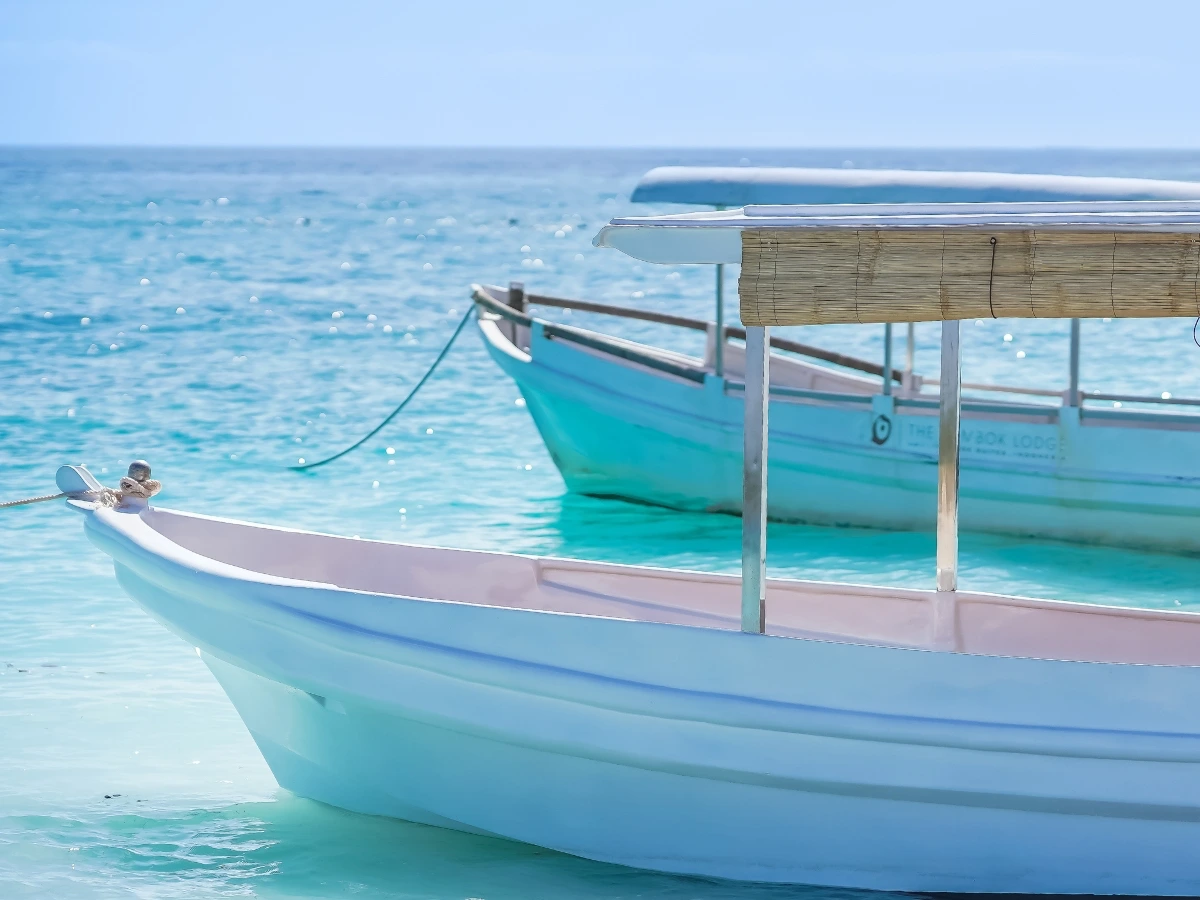
We offer a short boat ride to Gili Meno, often called the capital for the Gili turtle. However, our excursions are curated to avoid the “fin-kicking crowds.” We guide you to quieter spots where sea turtles graze on seagrass.
The importance of observing wildlife without touching it
The key takeaway I want you to remember is that majestic creatures like sea turtles have a protective mucous layer on their shell. Touching them removes this layer, leaving them susceptible to infection. We teach all our guests to keep a respectful distance from these magnificent creatures.
Lombok’s Regional Role in Global Turtle Conservation
Lombok’s importance in global turtle conservation cannot be overstated. It serves as a genetic bridge between the Indian and Pacific Oceans for turtles.
Why Lombok is more significant than commonly understood
I found that while Bali gets the fame, Lombok retains the habitats. The Wyld Orange Foundation highlights that sea turtles play a crucial role in maintaining healthy marine biodiversity by controlling jellyfish populations and maintaining seagrass beds. Lombok turtle preservation is essential for the health of the entire archipelago.
Island-by-island breakdown of conservation dynamics
The Gili Islands (Trawangan, Meno, Air) have high turtle populations, specifically Gili turtle colonies that are used to divers. However, the North Lombok mainland, where our Lombok Private Villa Estate is located, offers quieter, darker beaches essential for shy nesters. Seeing a Gili turtle is common, but seeing nesting on the mainland is a privilege.
How Lombok compares to Bali and Sumbawa in conservation impact
I’ve noticed that while Bali has advanced rescue centers for treating injured turtles, Lombok turtle conservation offers superior nesting habitats due to lower coastal density. Sumbawa is wilder but lacks the conservation efforts infrastructure we have built here.
Elevated Experiences for Conscious Luxury Travelers
You might be wondering: can you enjoy luxury while saving the planet? The answer is yes.
How conservation can become part of a luxury itinerary
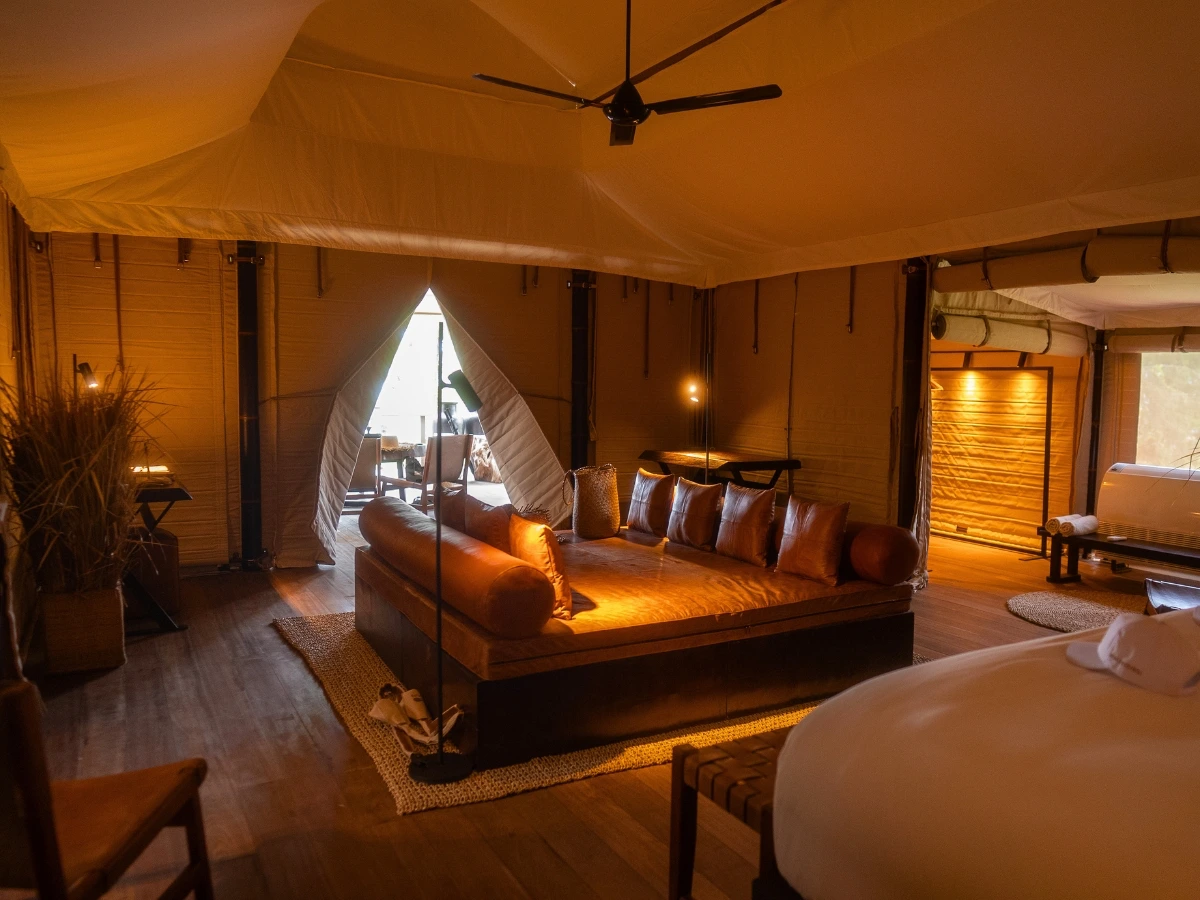
At Lombok Lodge Hospitality, we weave turtle conservation into the guest experience. It isn’t just about a private room upgrade; it is about the exclusivity of nature. We ensure guests are educated on turtle species and the fragility of the natural habitat right outside their door.
Snorkeling with sea turtles the responsible way
When we take you to vibrant coral reefs, our guides act as underwater rangers. They ensure you don’t step on coral or harass the turtles. We avoid practices like feeding turtles live food to attract them, as this disrupts their natural diet.
Exclusive Baby Turtle Retreat at Bagno Di Gili
We offer a unique experience at Bagno Di Gili where you can adopt and witness the release of a baby turtle through our guided Turtle Safari. This is done under strict turtle care protocols. You receive specific turtle information and updates on the project briefing, creating a bond that lasts long after you leave.
How meaningful experiences increase guest connection and long-term advocacy
When you see a critically endangered animal in the wild, you become an advocate. Our guests often go home and change their lifestyle reducing plastics or supporting a turtle conservation program—because they have seen what is at stake for the turtles.
Conscious Traveler Guide: How to Evaluate If a Turtle Experience Is Ethical
I want to help you understand the difference between a tourist trap and a sanctuary for turtles.
Red flags that signal greenwashing in marine conservation
Be wary of places that keep turtles in small, dirty tanks for tourists to hold. If you see cheap plastic turtle toys being sold in bulk, or turtle species kept permanently out of the ocean for photos, these are major red flags. Also, avoid small local grocery shops selling tortoise shell jewelry this drives the hunting of Hawksbill sea turtles.
What true conservation impact looks like
Genuine turtle conservation projects focus on release rates and habitat destruction prevention. They have data. As mentioned in the Antara News report, effective sea turtle conservation relies on “scientific data support,” not just good photo opportunities with turtles.
Certification and partnership indicators to look for
Look for partnerships with recognized NGOs or government bodies like the KKP. I’ve reviewed work by the Wyld Orange Foundation, and they note that they work closely with local communities and report to Indonesian government agencies, ensuring their turtle sanctuary work is legitimate.
How to distinguish real conservation work from tourism programs
Real projects prioritize the animal’s needs over the tourist’s schedule. If a release of baby turtles is scheduled exactly at noon every day for a busload of tourists, it is likely a show. Baby turtles should be released at night or early morning to avoid predators.
How Travelers Can Create Lasting Ocean Impact Beyond Their Stay
Supporting long-term conservation funding and research
You can continue to support turtle conservation programs through donations. Funding provides sustainable fishing gear alternatives for locals so they don’t use nets that snag turtles, and supports the local team that patrols the beaches.
Everyday sustainability choices travelers can bring home
Avoid single-use plastics. The turtles you swam with in Lombok Island are migrating through oceans filled with plastic bags that look like jellyfish—their favorite food. Your daily choices affect marine life globally.
Sharing stories to amplify conservation awareness
Share your stories. Tell your network about the Lombok turtle conservation efforts. During our culture week, we emphasize how vibrant local culture intersects with conservation. Whether discussing local customs or ongoing conservation efforts, conscious luxury travelers have a powerful voice. Even after you arrive home from Lombok International Airport, your advocacy helps save turtles.
Conclusion — Luxury Meets Legacy for the Conscious Traveler
I firmly believe that luxury and ethical responsibility are not mutually exclusive; in fact, true luxury today is the privilege of experiencing a pristine world and helping to keep it that way. As a family-owned business under Lombok Lodge Hospitality, our commitment runs deep. We are not just hosting guests; we are stewarding a sanctuary for turtles.
When you choose responsible tourism and support a verified turtle conservation project, you become part of the solution. You ensure that the magnificent creatures of Lombok’s seas have a future. The choice is yours, but the impact is shared. Save the planet. Save the turtles.
Frequently Asked Questions
When is the best time to see turtles nesting or hatching in Lombok?
From my experience, the peak nesting season generally runs from May to September, with the nesting period for hatching often occurring from July through November. However, sea turtles and specifically the Gili turtle population can be seen swimming in the waters of the Gili Islands year-round.
Is it ever okay to touch a sea turtle while swimming or on the beach?
No, you should never touch a sea turtle, whether it is an adult or baby turtles. I emphasize this because human skin has oils and bacteria that can damage the protective biofilm on their shells, leaving turtles vulnerable to infection, and stress can cause injured turtles to drown.
How can I verify that my donation creates real impact?
I recommend looking for a turtle conservation project or turtle conservation center that provides transparent reports on baby turtles released and community engagement. Authentic projects often collaborate with government agencies like the KKP or recognized foundations to validate their conservation efforts.

Ibu Antje
I’m Ibu Antje, Founder and Owner of The Lombok Lodge Hospitality® and 'Chief of Magic' at TLL Hospitality® With over 15 years of experience in luxury hospitality, I am passionate about creating meaningful and bespoke travel experiences across the breathtaking island of Lombok and the Gili Islands in Indonesia. My passion for Lombok comes from the island’s breathtaking beauty, its rich traditions, and the warmth of its people. It inspires me every day to share this special place with others by creating meaningful and memorable experiences that allow guests to truly feel the spirit of Lombok and the Gili Islands. Follow my daily life in Lombok & Gili - and more things I adore - on Instagram @ibu.antje
Contact Ibu Antje